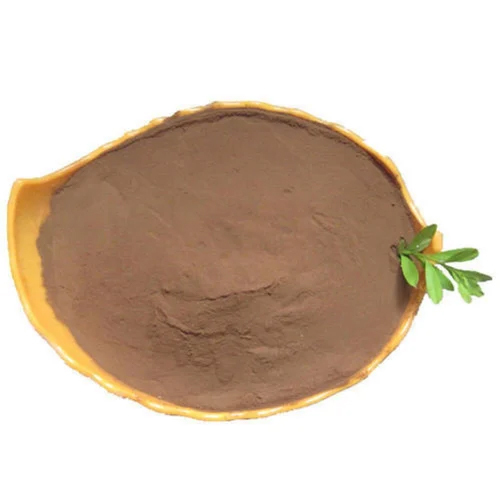
About Styrene Butadiene Rubber Sbr
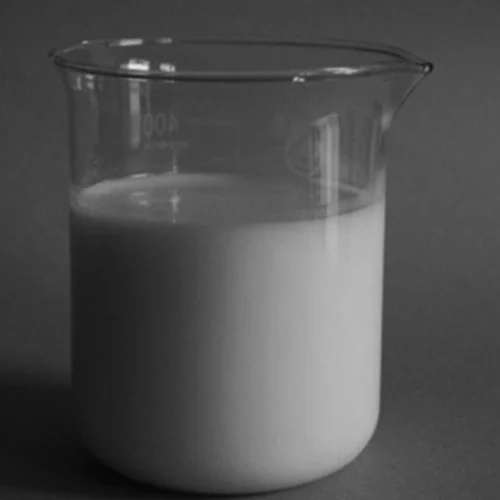
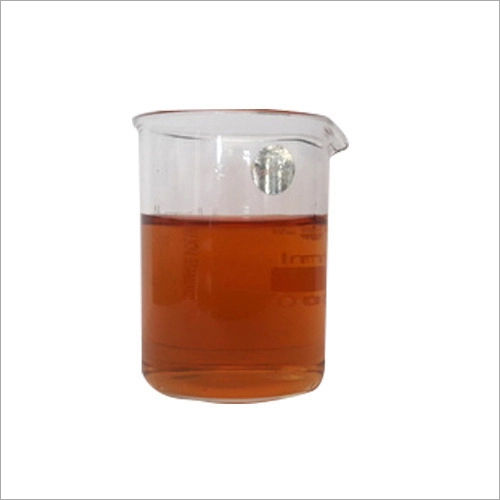
Because of its remarkable durability and longevity, Styrene Butadiene Rubber Sbr is a superb choice for a wide range of uses in the industry. This synthetic rubber is perfect for applications such as tires, shoes, and seals due to its superior aging durability and resistance to abrasion. The resistance to abrasion and continuous elasticity offers lasting durability under harsh circumstances. For applications seeking both strength and flexibility, Styrene Butadiene Rubber Sbr is a great material that delivers dependable results every time.
Features:-
The addition of SBR to cement mortar or concrete results in increased durability, strength, and resistance to cracking, abrasion, and chemical attacks. This improves the longevity and performance of structures and reduces maintenance costs.
Typical Applications Are:
The SBR slurry should be brushed vigorously into the surface with a stiff brush to an approximate 1mm thickness. Take care to ensure complete coverage. Apply subsequent coatings such as your render or top coat while the bonding slurry is still wet.
Packaging:
200 kg &235 kg / 1 Drum
Key ApplicationsSBR's versatility makes it a cornerstone material in a variety of industries. Its high elasticity and durability are essential for products like automotive tires, conveyor belts, hoses, footwear, and other molded rubber goods. Owing to its excellent processability and resilience, manufacturers prefer SBR for demanding environments where long-term performance and strong mechanical properties are crucial.
Storage and Handling GuidelinesFor optimal performance and longevity, SBR should be stored at room temperature in dry conditions. The 25 kg bales wrapped in polyethylene film ensure the product remains free from contamination and moisture. Proper storage extends the shelf life to up to 12 months from the date of manufacture, maintaining SBR's integrity for various industrial applications.
FAQ's of Styrene Butadiene Rubber Sbr:
Q: How should Styrene Butadiene Rubber (SBR) be stored to ensure maximum shelf life?
A: SBR should be kept at room temperature in a dry, contamination-free environment. The product is packaged as 25 kg bales wrapped in polyethylene film, which helps protect it from moisture and dust. When stored properly, SBR retains its properties for up to 12 months from the date of manufacture.
Q: What processes are used to vulcanize SBR, and what benefits does vulcanization provide?
A: SBR can be vulcanized using sulfur or other vulcanizing agents. This process cross-links the polymer chains, enhancing the rubber's strength, elasticity, abrasion resistance, and aging stability, making SBR suitable for demanding industrial uses like tires and conveyor belts.
Q: Where is SBR most commonly applied, and why is it chosen for these industries?
A: SBR is extensively used in automotive tires, footwear, conveyor belts, hoses, construction applications, and other molded rubber goods. Its high tensile strength, excellent abrasion resistance, processability, and aging stability make it the preferred material in sectors where durability and mechanical performance are essential.
Q: What steps should be followed to process SBR during manufacturing?
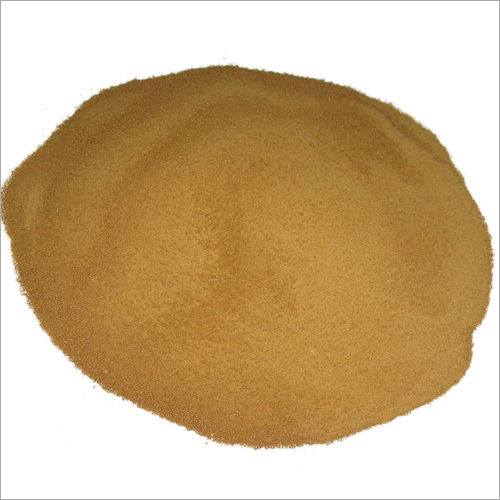
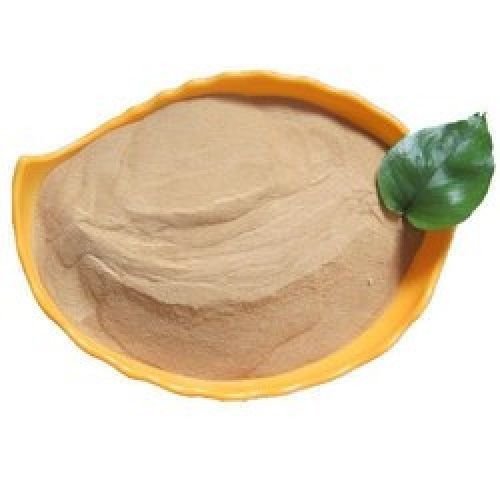
A: SBR is typically supplied as a light yellow to amber crumb or bale. It is processed through standard rubber compounding techniques, which may include mixing with fillers, processing oils, and vulcanizing agents. The rubber is then shaped and cured according to product specifications, yielding items with consistent mechanical properties.
Q: How does SBR perform under different environmental conditions?
A: SBR exhibits excellent weather and aging resistance, maintaining stability under exposure to sunlight, ozone, and varying temperatures. It has good thermal stability (up to 90C) and maintains flexibility and tensile properties even at low glass transition temperatures (-50C to -60C), making it reliable in challenging environments.
Q: What are the specific benefits of using SBR over natural rubber in industrial applications?
A: SBR offers superior aging stability, weather resistance, and abrasion resistance compared to natural rubber. Its consistent quality, ability to be tailored during manufacture, and good processability make it a versatile alternative for a range of industrial products.
Q: Can SBR be used in applications requiring flame retardance or high oil resistance?
A: SBR is not inherently flame retardant and possesses only fair to moderate oil resistance. For applications requiring these specific properties, additives or alternative materials should be considered during the design phase.